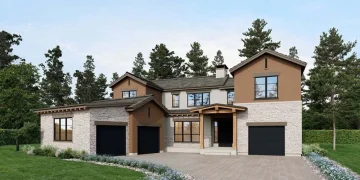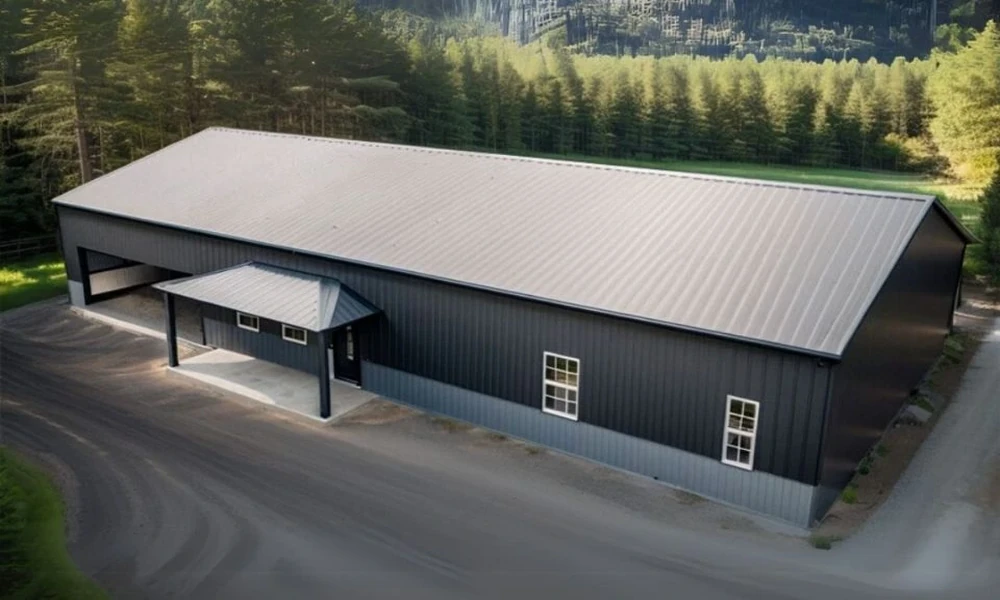
Weld County adopted an updated building code on June 15, 2026, for construction in the unincorporated areas of the county. The update moves the county to the 2024 editions of the national building codes and changes several requirements that apply to detached garages, shops, barns and other outbuildings. Some of the changes relate to permits and paperwork, while others affect the site work that takes place before construction begins.
Summary of the Weld County Building Code Changes
The county’s announcement lists several changes to its building regulations.
- The county adopted the 2024 editions of the International Building Code and International Residential Code, along with updated mechanical, plumbing and energy conservation codes.
- Permit requirements and exemptions were updated for accessory buildings, agricultural buildings, cargo containers and utility structures.
- Most new structures now require an engineer-designed foundation, with exceptions for some additions, detached garages and pole buildings.
- Zoning compliance reviews take place before building permits are issued.
- Construction in designated flood hazard areas requires floodplain review before work begins.
- New procedures address re-permitting when a permit expires before a project is complete.
The announcement doesn’t list specific exemption thresholds or re-permitting steps, so the full text of Chapter 29 of the Weld County Code and the county’s Building Division remain the sources for project-specific requirements.
Foundation Requirements and Soil Conditions in Weld County
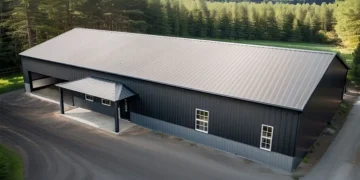
Under the updated code, most new structures in unincorporated Weld County need a foundation designed by an engineer, though detached garages and pole buildings are among the listed exceptions. Soil conditions vary across the county, with expansive clay that swells when wet in some areas and loose, sandy soil near river corridors in others. Regardless of who designs a foundation, the ground beneath it is typically cleared, leveled and compacted before concrete is placed, since soft or poorly compacted soil can lead to settling, cracking or shifting over time.
Property owners commonly consult a Northern Colorado excavation contractor during planning to assess soil conditions and estimate the grading and compaction work a site will need.
Zoning Review, Setbacks and Floodplain Areas
Zoning rules determine where a structure can be placed on a property. Typical factors include required distances from property lines and roads, easements that give utilities or other parties access to part of the land and the locations of existing wells and septic systems. Since the county now reviews zoning compliance before issuing a building permit, placement questions get addressed early in the process.
Portions of unincorporated Weld County along the South Platte, Cache la Poudre and Big Thompson rivers fall within designated flood hazard areas. Construction in those areas requires floodplain review before work begins, which means site clearing and grading generally wait until the review is complete.
Drainage Around New Structures
New buildings, driveways and compacted gravel surfaces can change how rain and snowmelt move across a property. Grading the surrounding ground so it slopes away from a structure helps keep water from collecting against the foundation or being redirected onto neighboring land.
Site Access and Utility Lines for Rural Outbuildings
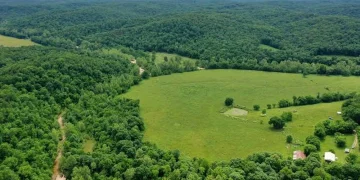
Outbuildings on rural parcels are frequently located some distance from existing driveways, and access routes may need improvements before heavy vehicles such as concrete trucks can reach the site. Gravel, grading or culverts are common additions to dirt or pasture lanes for that purpose.
Utility service to a new outbuilding usually runs through a buried trench from the home or another existing connection. Colorado’s 811 system coordinates the marking of underground lines owned by participating utility operators at no cost, while privately owned lines, such as power or water lines running to a well house, require a separate private locating service. Scheduling excavation and site grading services around the permit timeline allows site work to proceed once approvals are in place.
Where the Updated Weld County Building Code Applies
The updated code applies only to unincorporated Weld County, and properties within incorporated municipalities such as Greeley, Evans and Windsor follow the building codes and permit processes of those municipalities. For projects in unincorporated areas, the typical sequence involves confirming permit requirements, completing zoning and any floodplain review and then scheduling site preparation and construction.