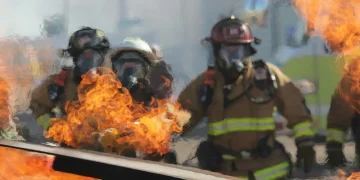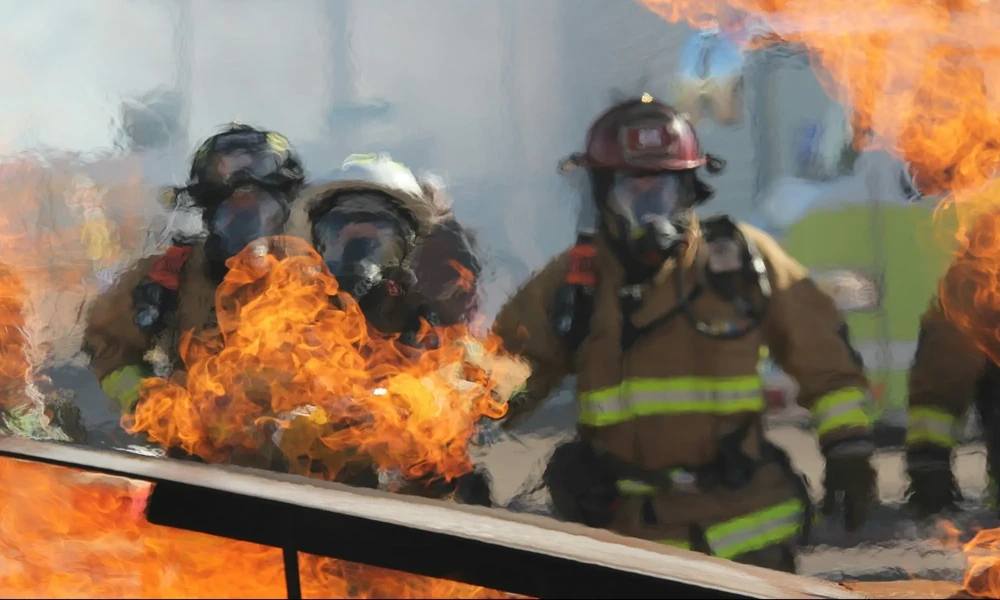
A systematic fire watch keeps an eye on construction during dangerous activities or while fire safety damage is corrected.
So, the fire officer issued the following order: your property requires a fire watch. This is often completed when a blaze alarm, fire sprinkler, hydrant, or other fire safety system is out of service due to damage or organized maintenance. Fire observers can feel overwhelming to most property holders, and they can also be costly, given the time required to hire or engage outside contractors to monitor the property. But the implementation of one while a fire safety system is undergoing quick repair or alteration should be direct – when it’s maintained well.
When immediate coverage is needed, property owners should prioritize responsiveness, trained personnel, and dependable monitoring when evaluating fire watch services near me San Francisco. A qualified fire watch team can quickly assess the affected areas, establish patrol routines, identify potential hazards, and maintain communication with emergency responders while a compromised fire protection system remains unavailable. Selecting a provider that understands local safety expectations and can provide coverage without unnecessary delays helps reduce exposure to fire risks and supports a smoother return to normal operations once repairs are completed.
In this article, we pour brightness on these frequently misunderstood and underrated fire safety innovations, plus when fire observers are required to transfer them out. And we will excavate into the specifics of what is required so construction holders can carry out a fire observer with confidence and in conformity with codes, standards, and laws.
Why do I require a fire observer?
The 2018 version of the National Fire Protection Association (Life Safety Code – 3.3.108) explains a fire observer as the task of one or more people to back up the work.
- Inform the fire department and construction employees of an emergency.
- Safeguarding against a fire from taking place.
- Quenching little fire.
- Safeguarding citizens from fire or life-safety risks.
The National Fire Protection Association (NFPA) standards and the IFC (International Fire Code) continue to require that property holders may be required to employ a fire observer:
Fire observer grounds: a site’s fire alert, sprinkler, or suppression system is damaged, or a fire is planned earlier that’s expected to last for a significant amount of time.
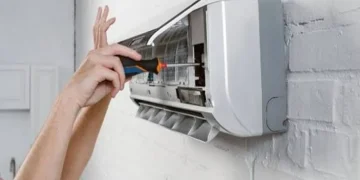
National Fire Protection Association 25: normal for the examination, testing, and continuation of water-dependent fire safeguarding systems restricts an impairment as a crucial problem that compromises life safety by rendering all or part of a fire safety system inoperable until it’s fixed. A possession is rarely more vulnerable to disastrous fire loss than when a fire safety system or a part of a system is out of service.
Whether the damage is caused by an emergency incident such as a split pipe or is a portion of predetermined repairs, a tryout, or a continuation doesn’t matter.
- Recognized the danger caused by the damage.
- Stable fire observer and support fire safety.
- Mitigated current sources and or close dangerous procedures.
- Accelerated repairs.
- Made sure that the fire security system was properly reinstated to service.
The regional AHJ (Authority Having Jurisdiction), often a fire officer, ultimately resolved whether a fire observer is required for parts of a possession left unprotected by damage. Its resolution depends on aspects that involve the amount of damage, the duration the system is out of service, the variety of risks without shielding, the possible for not restrained fire, and any hazard to the group.