Design choices shape how spaces feel, move, and connect with people. Glass has become a defining material across homes and work environments. Contemporary glass solutions enhancing residential and commercial architectural design spaces aesthetics reflects this shift toward light openness and refined surfaces. Modern interiors value clarity and balance. Glass responds well to these expectations. Many projects now integrate glass wollongong selections to support visual continuity and long-term design relevance.
Visual Transparency Supporting Spatial Flow
Glass allows uninterrupted sightlines. Rooms feel larger and brighter. Natural light spreads evenly across interiors. Boundaries soften without losing structure. Visual flow improves daily interaction. Spaces appear more connected and functional.
Material Qualities Defining Modern Glass Usage
Modern glass offers strength, clarity, and adaptability. Its qualities support varied design goals.
- Toughened panels provide reliable strength for high-traffic environments
- Laminated surfaces enhance safety while maintaining visual elegance
- Frosted finishes deliver privacy without blocking light flow
- Low iron glass improves colour accuracy across interior elements
- Textured treatments add depth without visual clutter
- Heat-treated glass resists stress from temperature variation
- Acoustic layers reduce noise transmission between zones
- Custom sizing supports precise architectural integration
Residential Applications Elevating Interior Appeal
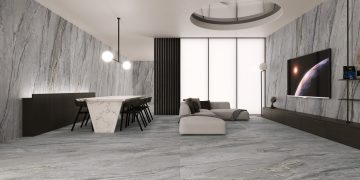
Homes use glass to enhance openness. Staircases feel lighter. Partitions divide spaces gently. Balustrades maintain safety without blocking views. Kitchens and bathrooms gain refined finishes. Residential settings benefit from subtle elegance.
How glass influences architectural identity across spaces?
Design identity evolves through material choice. Glass reflects light, shape, and movement. It allows designers to create calm, open environments. Subtle transparency supports both minimal and layered styles.
When applied thoughtfully, glass reinforces architectural intent. It connects indoor zones while preserving function. Identity remains strong without heavy visual elements.
Commercial Design Emphasising Professional Presence
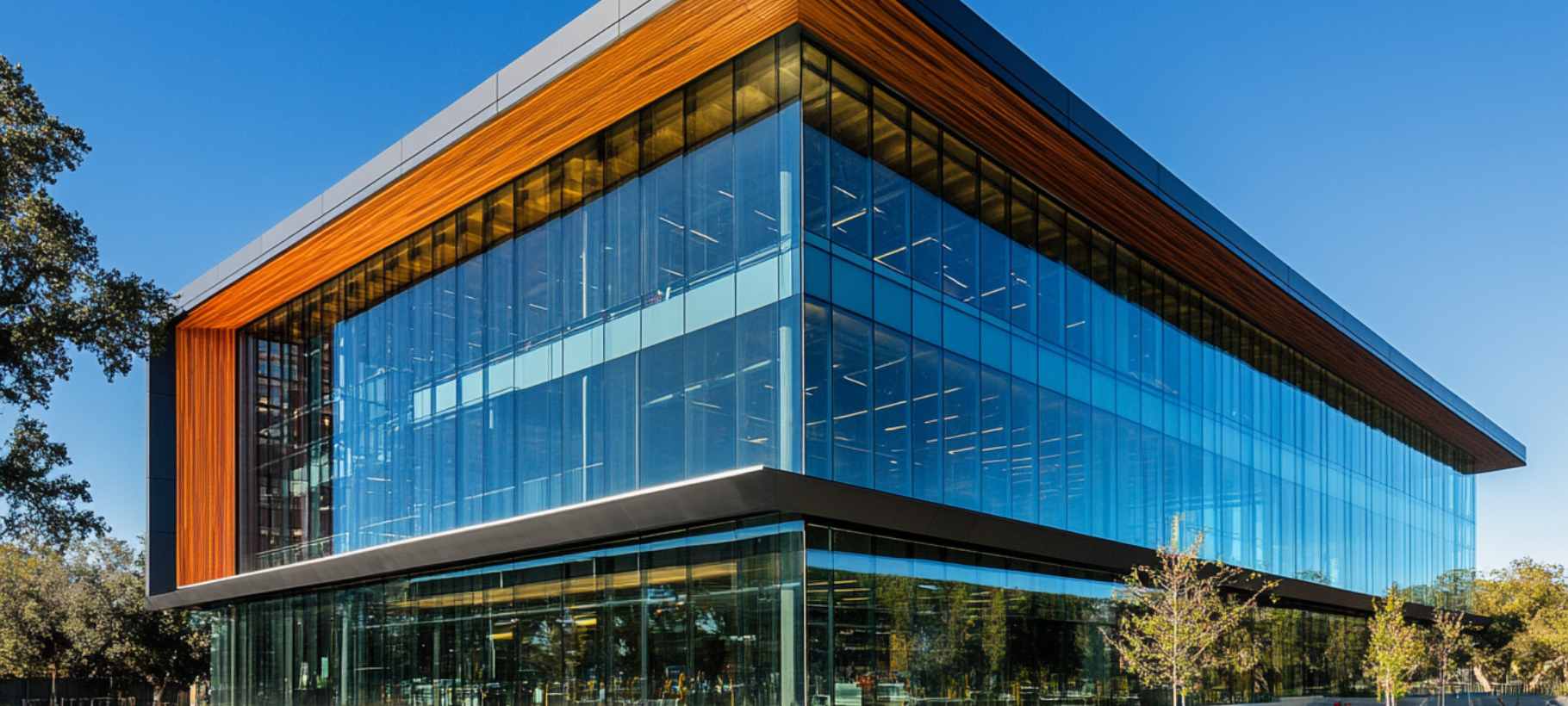
Workspaces demand clarity and structure. Glass walls encourage transparency. Meeting areas feel open yet defined. Retail displays gain visibility. Offices project professionalism. Design supports productivity and trust.
Custom Integration For Unique Design Concepts
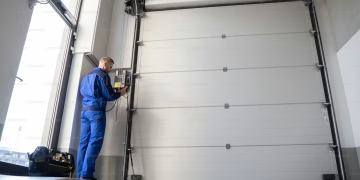
Bespoke solutions allow creative freedom. The glass wollongong specialists often collaborate with designers to shape tailored outcomes. Custom panels align with specific themes. Precision fabrication ensures a seamless fit. Unique concepts gain physical expression.
Durability Supporting Long Term Design Value
Glass maintains its appearance over time. It resists wear better than many finishes. Cleaning remains simple. Long life reduces replacement needs. Durability protects design investment.
Comparing Glass Applications across Space Types
Different settings use glass in distinct ways. Understanding variation supports better planning.
| Space Type | Common Glass Use | Design Purpose | Maintenance Level |
| Residential living | Partitions balustrades | Openness safety | Low |
| Commercial offices | Walls doors | Transparency focus | Low |
| Retail interiors | Displays fronts | Visibility branding | Medium |
| Hospitality spaces | Screens features | Atmosphere flow | Medium |
Each application serves a specific design goal. Selection depends on usage needs.
Design Confidence through Transparent Materials
Thoughtful material use defines successful spaces. Glass offers clarity, strength, and flexibility. It supports both creative vision and practical use. Contemporary glass solutions enhancing residential and commercial architectural design spaces aesthetics demonstrates how transparent design choices deliver lasting visual impact while adapting smoothly to changing architectural needs.