A hotel is a building where people sleep in unfamiliar surroundings, often without knowing where the nearest stairwell is. That combination makes any weakness in fire protection especially serious. When a hotel’s fire alarm or sprinkler system is temporarily non-operational, conducting a fire watch is essential to protect both guests and staff. This article looks at the demands of hotel coverage and the habits that help guards perform well in a busy hospitality setting.
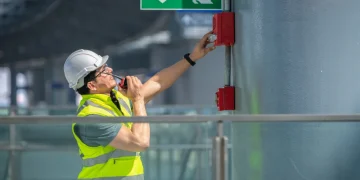
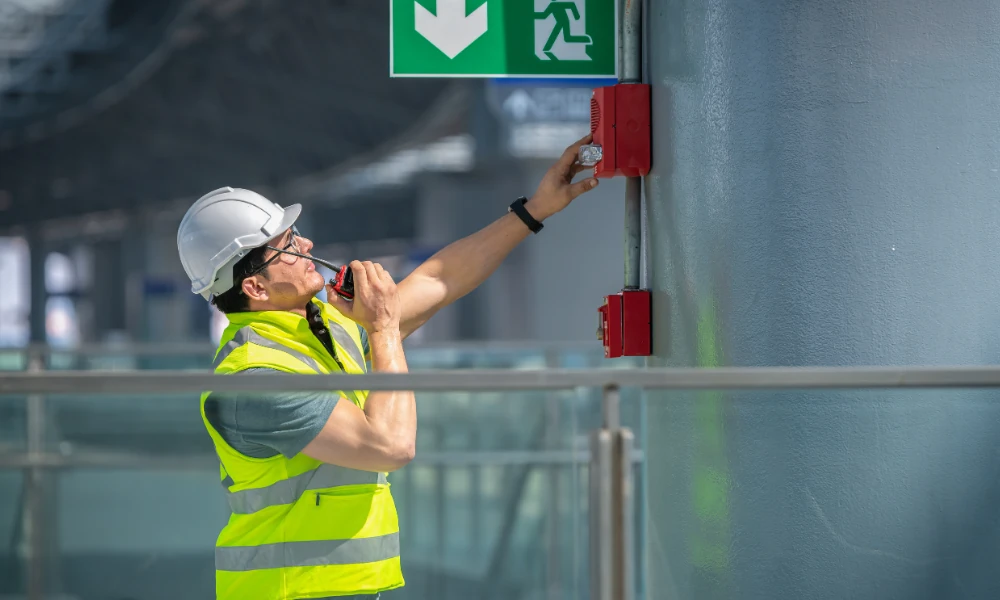
Because hospitality properties welcome a constant flow of overnight travelers who rely entirely on staff for guidance during an emergency, deploying experienced Fire Watch Guards ensures continuous, discreet vigilance while automated systems are under repair. Trained personnel understand how to patrol multi-floor corridors, kitchens, and event spaces without disrupting the guest experience, keeping exit routes clear and maintaining the strict patrol logs local fire marshals require.
Challenges Unique to Hotels
Hotels operate around the clock, so occupancy never drops to zero. Guest rooms, banquet halls, kitchens, laundries, pool equipment rooms, and parking areas each carry different risks. Guests may be asleep, unfamiliar with the layout, or affected by alcohol or medication, which slows their reaction in an emergency. Large properties also have long corridors and many floors, making it difficult to cover every area within the required interval without enough personnel.
Patrol Priorities
Guards focus on places where fires commonly begin or spread. Kitchens and laundries contain heat, grease, and lint. Mechanical and electrical rooms hold equipment that can overheat. Hallways and staircases should remain free of obstructions, while exit signage and emergency lighting must be fully functional. A frequent problem in hotels is the propped fire door or the stairwell used for storing luggage carts and linens. Guards should correct these conditions at once or report them to a manager.
Communicating With Guests and Staff
Hotel guards need good people skills. They should be courteous, discreet, and calm, so that guests are not needlessly alarmed. Close coordination with the front desk is essential, since staff there can reach guests by phone and direct arriving responders. Employees should know how an evacuation will be signalled if the alarm system cannot be trusted, and guards should be prepared to assist guests who need extra help leaving the building.
Managing Extended Outages
If repairs take several days, the hotel must plan for continuous coverage. Guards should rotate to avoid fatigue, and every shift should be briefed on the status of repairs and any changes ordered by the fire official. Management should keep guests and staff informed about what is happening, in plain language, and keep records of all patrols for later review.
Special Areas Within the Property
Hotels often include features that ordinary office buildings lack. Ballrooms and meeting spaces may host events with candles, staging, and temporary decorations. Pool and spa equipment rooms contain pumps and chemicals, while rooftop and basement spaces house boilers and generators. Restaurants and bars add cooking and open-flame hazards. Guards should obtain a schedule of events and make sure each of these areas is included in the patrol route for as long as the watch continues.
Conclusion
In a hotel, fire watch protects not only property but also people who are far from home and dependent on the building around them. With enough trained guards, careful attention to high-risk areas, and respectful communication, a hotel can continue operating while its systems are repaired and keep its guests and employees safe.