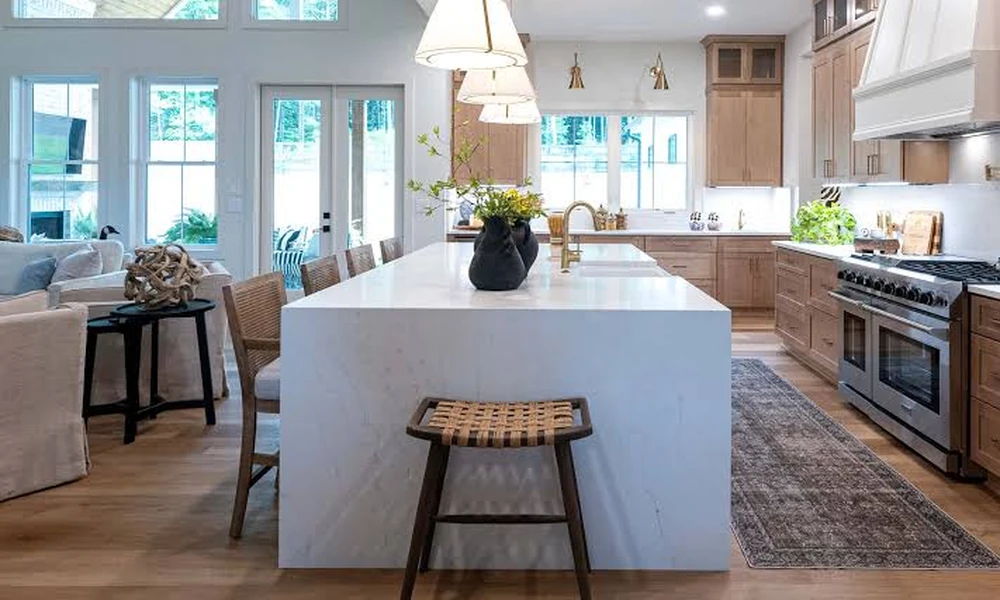
Kitchen remodeling often begins with inspiration-beautiful cabinet colors, elegant lighting, and oversized islands featured in magazines or online galleries. But once it’s time to select the countertop, homeowners usually ask the same question: is Dekton better than quartz?
The answer isn’t as simple as choosing one material over another. Both Dekton and quartz are premium surfaces designed for modern living, and each has advantages depending on your lifestyle, cooking habits, and long-term goals. Rather than declaring a universal winner, it’s more helpful to compare how each material performs in the areas that matter most to homeowners.
Understanding the Difference
Although they are often mentioned together, Dekton and quartz are manufactured using different technologies.
Quartz countertops are engineered from natural quartz combined with polymer resins and pigments. They offer consistent patterns, excellent durability, and a wide range of colors that fit almost any kitchen design.
Dekton is an ultra-compact surface created by compressing a blend of porcelain, quartz, glass, and other minerals under extremely high pressure and temperature. This advanced process produces a dense material known for exceptional resistance to heat, scratches, stains, and UV exposure.
Knowing how each material is made helps explain why they perform differently in everyday use.
Heat Resistance: Dekton Takes the Lead
One of the biggest differences between these two materials is how they react to heat.
In a busy kitchen, it’s common to place hot cookware on the countertop after removing it from the stove or oven. Quartz is durable, but the resins used in its construction can be affected by excessive heat. Using trivets is always recommended to prevent potential damage.
Dekton, however, is engineered to withstand much higher temperatures. Because it is manufactured using intense heat, it performs exceptionally well when exposed to hot pots, pans, and baking trays.
For homeowners who cook frequently, this advantage alone may answer the question, is Dekton better than quartz?
Scratch Resistance
Both materials perform well under everyday conditions, but Dekton offers superior hardness.
Kitchen counters experience constant contact with cookware, utensils, and appliances. While cutting boards should always be used, Dekton is less likely to show scratches from accidental contact than many other countertop materials.
Quartz remains highly durable and suitable for most families, but homeowners looking for maximum surface hardness often prefer Dekton.
Stain Resistance
No one wants a countertop that permanently absorbs coffee, red wine, or cooking oil.
Fortunately, both Dekton and quartz are non-porous materials, meaning spills remain on the surface instead of soaking into the countertop. Routine cleaning usually requires nothing more than warm water and mild soap.
Because neither material requires sealing, homeowners enjoy easier maintenance compared to many natural stone surfaces.
In this category, both options perform exceptionally well.
Design and Appearance
Design preferences vary from one homeowner to another.
Quartz offers one of the largest selections of colors, patterns, and finishes available on the market. Whether you’re trying to replicate marble, granite, or a contemporary concrete appearance, quartz manufacturers provide countless choices.
At the same time, Dekton or quartz comparison often highlights Dekton’s ability to create seamless, modern designs with large-format slabs and sophisticated finishes inspired by natural materials.
If your goal is a sleek, contemporary kitchen with minimal seams, Dekton is an excellent choice. If you prioritize the widest range of decorative patterns, quartz may have a slight advantage.
Indoor and Outdoor Performance
This is an area where Dekton clearly separates itself.
Quartz countertops are designed primarily for indoor installations because prolonged exposure to direct sunlight can cause discoloration over time.
Dekton is resistant to ultraviolet rays, making it suitable for:
- Outdoor kitchens
- Covered patios
- Poolside entertainment areas
- Exterior bars
- Outdoor dining spaces
If you envision expanding your living space beyond the walls of your home, Dekton provides much greater flexibility.
Maintenance Requirements
Homeowners often choose engineered surfaces because they require very little maintenance.
Both Dekton and quartz eliminate the need for periodic sealing.
Daily care is simple:
- Wipe surfaces with a soft cloth.
- Use mild household cleaners.
- Clean spills promptly.
- Avoid harsh abrasive chemicals.
This convenience makes either material an attractive choice for busy families who want beauty without extensive upkeep.
Cost Versus Value
Budget is naturally an important consideration.
Quartz is often available at a wider range of price points, making it easier to match different remodeling budgets.
Dekton may require a higher initial investment due to specialized fabrication and installation requirements. However, many homeowners consider that additional cost worthwhile because of its exceptional resistance to heat, scratches, weather, and UV exposure.
Instead of asking which material costs less, consider which one offers the greatest value over the next twenty years.
Which Homeowners Should Choose Dekton?
Dekton may be the better option if you:
- Cook frequently.
- Want maximum durability.
- Plan to install an outdoor kitchen.
- Prefer contemporary architectural design.
- Expect minimal maintenance.
Which Homeowners Should Choose Quartz?
Quartz may be the right choice if you:
- Want the broadest selection of colors.
- Prefer traditional marble-inspired patterns.
- Are renovating only interior spaces.
- Need greater flexibility within your remodeling budget.
Learn From Successful Remodeling Projects
Countertops are only one piece of a successful renovation.
The best kitchens are created when countertops, cabinetry, lighting, flooring, and layout all work together as one design.
Reviewing completed california remodels is an excellent way to see how premium countertop materials complement different architectural styles and family lifestyles. Real-world projects often provide more valuable inspiration than isolated showroom displays.
Final Verdict
So, is Dekton better than quartz?
For homeowners who prioritize heat resistance, scratch resistance, outdoor performance, and long-term durability, Dekton often stands out as the stronger choice.
Quartz, however, remains one of the best countertop materials available thanks to its beautiful appearance, impressive durability, and extensive design options.
Rather than searching for a universal winner, focus on finding the material that best supports the way your family lives. A countertop should do more than enhance your kitchen-it should continue performing beautifully every single day for years to come.